Only OSUPD and the Office of Legal Affairs have the ability to evaluate, on behalf of the institution, whether a law enforcement agency is properly on campus. Faculty, staff, or students are not authorized to evaluate a warrant or subpoena. The information below is only being provided as factual background responsive to questions we have received.
There are two types of warrants: judicial and administrative.
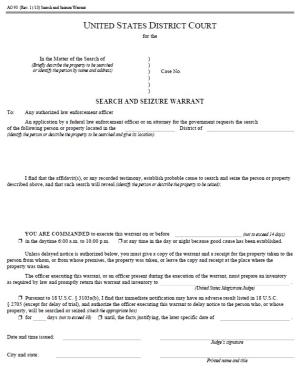
- A judicial warrant is an official court document, signed by a state or federal judge or magistrate, and based on probable cause. The warrant may authorize a law enforcement official to make an arrest, a seizure, or a search.
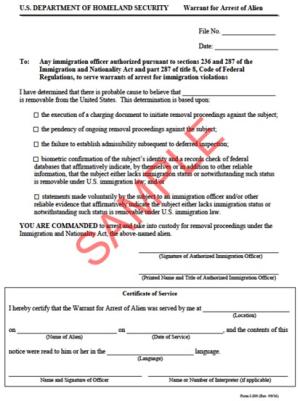
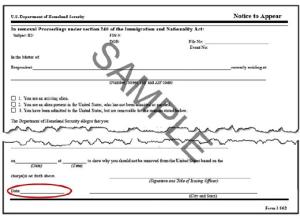
- An administrative warrant is a warrant signed by an ICE agent, stating that someone is under consideration for possible arrest and deportation. Typically, ICE agents will use Form I-200, Warrant for Arrest of Alien to carry out their duties. Form I-862, Notice to Appear can also serve as an arrest warrant. Administrative warrants may only be executed by ICE agents in public places. They do not authorize agents to enter a place where there is a reasonable expectation of privacy to execute the warrant, unless they are given consent to enter. Generally, administrative warrants do not authorize immigration officials to conduct searches.
There are two types of subpoenas used to request information: judicial and administrative.
- A judicial subpoena is an official court document, signed by a state or federal judge or magistrate, and identifies the person or entity (and their address) subject to the subpoena.
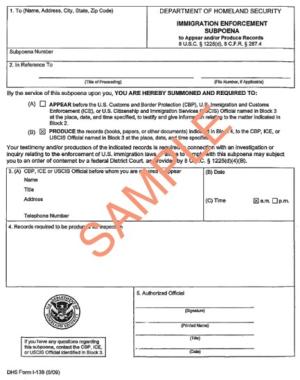
- An administrative subpoena is a subpoena issued on DHS Form I-138 and signed by an immigration judge or Department of Homeland Security (DHS) official from USCIS, ICE, or Customs and Border Protection as part of a criminal or civil investigation. The subpoena can command the person or entity attend and give testimony and/or produce records. The subpoena is not enforceable on its own. If the witness refuses to comply with the subpoena, the issuing officer or immigration judge can request a U.S. District Court issue an order requiring the witness to comply with the subpoena request.
Examples of Administrative & Judicial Warrants
Administrative Warrant Form I-200
Notice To Appear in Removal Proceedings
Administrative Subpoena Form I-138, not enforceable absent Court Order
(NOTE THAT MANY RECORDS FOR F-1 STUDENTS AND J-1 EXCHANGE VISITORS ARE FERPA EXEMPT AND MUST BE RELEASED TO ICE UPON REQUEST)
Judicial Warrant Authorizing Entry to Non-Public Space
This page will be periodically reviewed and updated as new legal developments occur.